does anyone else notice how misinterpreted the houses are?
like why are slytherins refered to as being ‘edgy bad chicks/guys’ and ‘sex gods/goddesses’ when it’s their house, of all four houses, that values traditionalism?
why are hufflepuffs described as relaxed hippies who prefer to chill and eat cookies all day when their house is the one that values hard work?
why do people think ravenclaws are stuck-up and boring bookish nerds when literally the only personality traits you have to possess to be a ravenclaw are creativity, wit, wisdom, acceptance, originality, intelligence and individuality?
why are gryffindors depicted as brash, rude rulebreakers when chivalry is so important to them?
oh lordy, thank you for this post because I could have never made one as well-written. While sure, the aesthetics are pretty and all, but they hardly ever accurate.
In Austria, we call kittens at that age “Autodromkatzerl”, which translates to “bumper car kittens”, because of the way their tail sticks up. It’s not a really common word, but a very cute one, I think
this is a genuinely delightful bit of knowledge, thank you for sharing this!! omg
That thing about how cats think humans are big kittens is a myth, y’know.
It’s basically born of false assumptions; folks were trying to explain how a naturally solitary animal could form such complex social bonds with humans, and the explanation they settled on is “it’s a displaced parent/child bond”.
The trouble is, cats aren’t naturally solitary. We just assumed they were based on observations of European wildcats – but housecats aren’t descended from European wildcats. They’re descended from African wildcats, which are known to hunt in bonded pairs and family groupings, and that social tendency is even stronger in their domesticated relatives. The natural social unit of the housecat is a colony: a loose affiliation of cats centred around a shared territory held by alliance of dominant females, who raise all of the colony’s kittens communally.
It’s often remarked that dogs understand that humans are different, while cats just think humans are big, clumsy cats, and that’s totally true – but they regard us as adult colonymates, not as kittens, and all of their social behaviour toward us makes a lot more sense through that lens.
The like to cuddle because communal grooming is how cats bond with colonymates – it establishes a shared scent-identity for the colony and helps clean spots that they can’t easily reach on their own.
They bring us dead animals because cats transport surplus kills back to the colony’s shared territory for consumption by pregnant, nursing, or sick colonymates who can’t easily hunt on their own. Indeed, that’s why they kill so much more than they individually need – it’s not for fun, but to generate enough surplus kills to sustain the colony’s non-hunting members.
They’re okay with us messing with their kittens because communal parenting is the norm in a colony setting, and us being colonymates in their minds automatically makes us co-parents.
It’s even why many cats are so much more tolerant toward very small children, as long as those children are related to one of their regular humans: they can tell the difference between human adults and human “kittens”, and your kittens are their kittens.
Basically, you’re going to have a much easier time getting a handle on why your cat does why your cat does if you remember that the natural mode of social organisation for cats is not as isolated solitary hunters, but as a big communal catpile – and for that purpose, you count as a cat.
My relationship has changed dramatically with my mom as I’ve become an adult and started having a modicum of independent success. It’s gone from extremely toxic and antagonistic to being more like semi-close friends.
It makes me wonder how my relationship with my well-intentioned but authoritarian father would have changed with time.


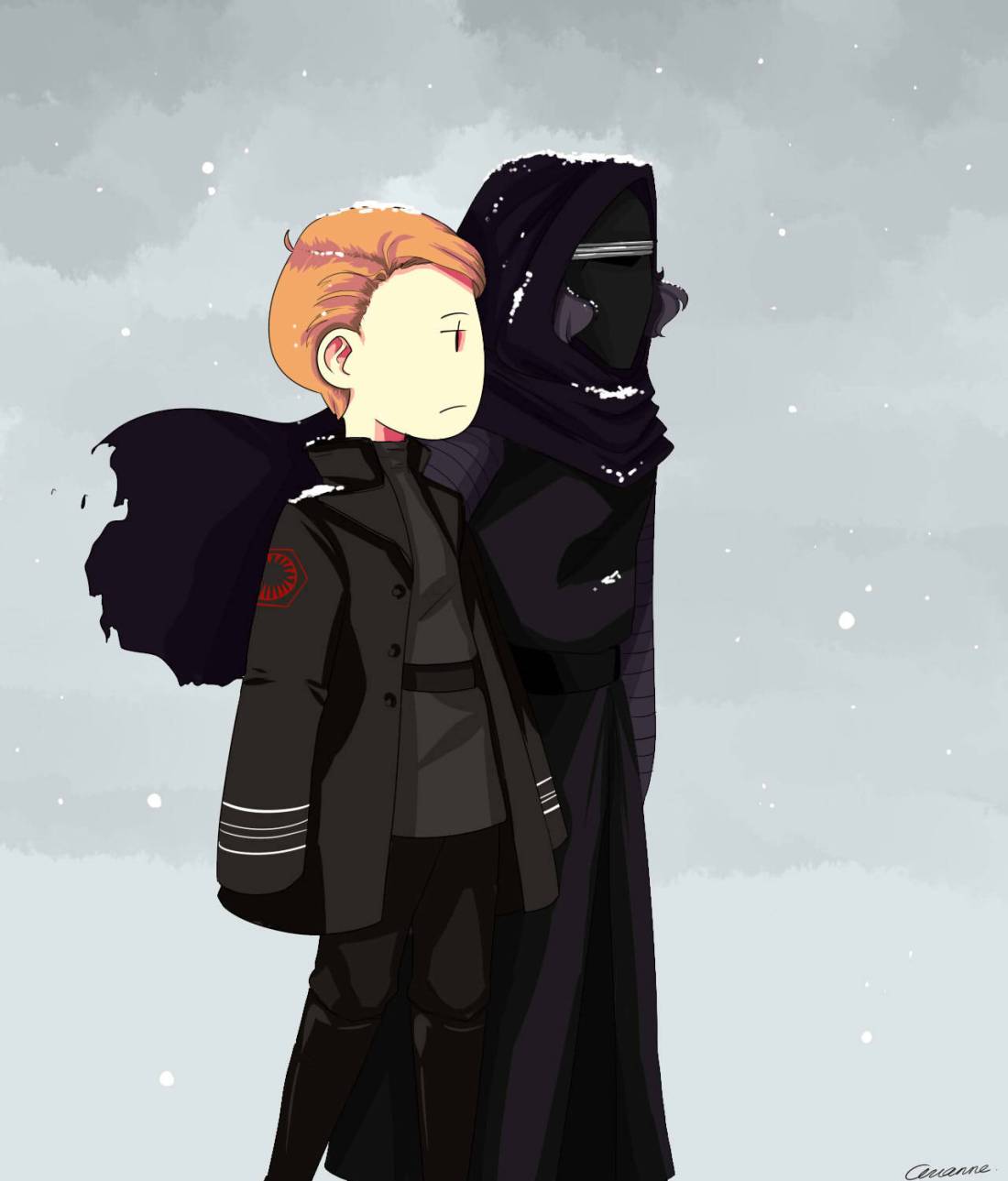






 Waiting for Winter